My Perfect Roast
Clear cooking times by ingredient, method, and weight
Find cooking times by ingredient, cooking method, and weight band. Browse roast, grill, boil, fry, air fryer, smoke, saute, and steam guides built to help home cooks plan faster without guessing where to click next.
Start a guide
Build a cooking plan in seconds
Choose an ingredient, method, and weight to jump straight into a guide with timings, tips, and a quick calculator.
49 ingredients, 8 methods, 13 weights

Roast - 1.5 kg
How to roast beef 1.5kg
A high-intent guide with timing, texture cues, and a calculator in one place.

Roast - 1 kg
How to roast pork 1kg

Boiled eggs timing
Soft, medium, and hard boiled eggs
Built for fast planning
Browse by ingredient, method, or weight
Strong hub pages and clearer leaf guides make it easier to move from a broad cooking question to a practical timing page.

Storage guides
151
Shelf-life pages for fridge, freezer, and pantry follow-up questions after cooking.
Popular roast guides
Browse popular roast guides
These are some of the strongest entry pages for common roast searches, with different ingredients and weight bands so the homepage does not repeat one template over and over.
Roast - 500 g
How to roast beef 500g
View guide
Roast - 750 g
How to roast chicken 750g
View guideRoast - 1 kg
How to roast pork 1kg
View guide
Roast - 1.2 kg
How to roast turkey 1.2kg
View guide
Roast - 1.5 kg
How to roast salmon 1.5kg
View guide
Roast - 1.8 kg
How to roast shrimp 1.8kg
View guide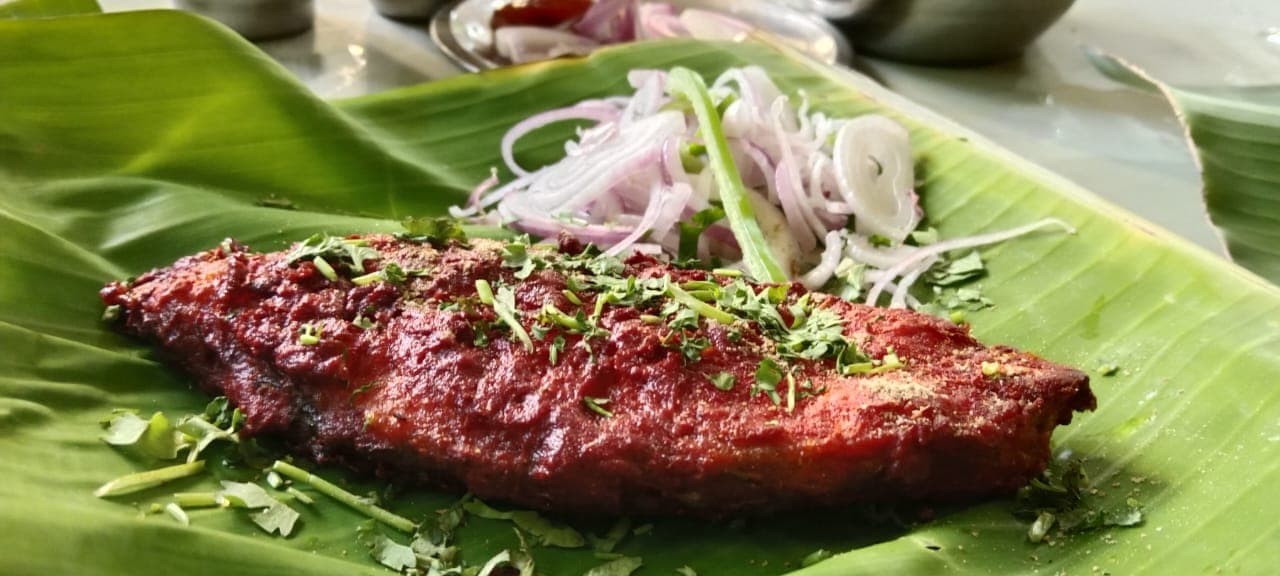
Roast - 2 kg
How to roast cod 2kg
View guide
Roast - 2.5 kg
How to roast carrots 2.5kg
View guideFood portion planning
How much to buy before you open the timing pages
Portion planning comes before cooking. These pages cover the strongest first-launch questions around how much chicken, beef, salmon, potatoes, rice, or BBQ meat to buy per person before the site moves into cooking time, storage, and reheating.
Portion planning hub
Rounded portion ranges for meals, groups, and BBQs
Open the portion-planning section for practical per-person ranges, simple group tables, and the main questions people ask before they buy food for a roast dinner, weeknight meal, party, or BBQ.
Chicken
180-250 g
Per adult for many mains.
Beef
180-260 g
Higher for steak-night portions.
Rice
75-100 g
Dry rice per adult.
Portion guide
How much chicken per person
For a main meal, plan roughly 180 to 250 g of chicken per adult, then move lower with many sides or higher for hungry guests.
Open planning pagePortion guide
How much beef per person
For many beef mains, around 180 to 260 g per adult is a practical planning range before cut-specific adjustments.
Open planning pagePortion guide
How much salmon per person
For salmon fillets as a main, roughly 170 to 225 g per adult is a practical starting point.
Open planning pagePortion guide
How much potatoes per person
For potatoes as a side or main starch, around 180 to 300 g per person is a practical planning range.
Open planning pagePortion guide
How much rice per person
For dry rice, around 75 to 100 g per adult is a useful planning range for many meals.
Open planning pagePortion guide
How much meat per person for BBQ
For a BBQ where meat is the main draw, roughly 225 to 340 g of total meat per adult is a strong starting range.
Open planning pageAir Fryer timing guides
Browse stronger Air Fryer entry pages
These pages focus on realistic air fryer questions like fresh versus frozen batches, crisp versus tender finishes, and practical basket-sized weights.
Air Fryer - 750 g
How to air fry crispy chicken pieces 750g
View guideAir Fryer - 500 g
How to air fry crispy salmon fillet 500g
View guide
Air Fryer - 1 kg
How to air fry crispy potato cubes 1kg
View guide
Air Fryer - 500 g
How to air fry fresh-cut fries 500g
View guideAir Fryer - 500 g
How to air fry crispy shrimp 500g
View guideFood storage guides
Shelf-life answers for the most common kitchen follow-up questions
Cooking is only part of the kitchen lifecycle. These storage pages cover the strongest first-launch questions around fridge windows, freezer fallbacks, pantry storage, and spoilage signs for foods people already cook on the site.
Storage guide
How long cooked chicken lasts in the fridge
Cooked chicken usually keeps about 3 to 4 days in the refrigerator when cooled and stored promptly.
View storage guideStorage guide
How long raw salmon lasts in the freezer
Raw salmon can be frozen, but fatty fish is usually best within a shorter freezer quality window than leaner fish.
View storage guideStorage guide
How long raw potatoes last in the pantry
Whole raw potatoes usually keep longest in a cool, dark pantry space with good airflow.
View storage guide
Storage guide
How long cooked rice lasts in the fridge
Cooked rice usually keeps about 3 to 4 days in the fridge when cooled and stored promptly.
View storage guide
Storage guide
How long eggs last in the fridge
Shell eggs usually keep about 3 to 5 weeks in the refrigerator when stored properly.
View storage guide
Storage guide
How long milk lasts in the fridge
Milk fridge life depends on the product and handling, but many opened milks are best used within about a week.
View storage guideReheating guides
Bring leftovers back hot without guessing
Reheating is the third step after cooking and storage. These pages focus on the strongest everyday questions around pizza, fries, rice, chicken, salmon, and other leftovers that people want hot again without wrecking the texture.


Cooking times by ingredient
Ingredient hubs built for stronger browsing
Each ingredient hub groups cooking methods, popular weights, and the leaf guides most likely to help a cook land on the right page quickly.
Ingredient hub
Beef
Beef can handle roast, grill, fry, and smoke methods well, but the cut changes how quickly the center catches up with the outside.
107 guides. Featured: How to roast beef 500g.
Open ingredient hubIngredient hub
Chicken
Chicken suits roast, grill, fry, boil, saute, and steam methods, but the thickest part always decides when it is actually ready.
119 guides. Featured: How to roast chicken 500g.
Open ingredient hubIngredient hub
Pork
Pork works across roast, grill, fry, smoke, and slow-roast methods, with fat level and cut shape changing the best finish.
110 guides. Featured: How to roast pork 500g.
Open ingredient hubIngredient hub
Turkey
Turkey is best with roast and slow-roast timing, with grilling and smoking working for selected cuts when the heat stays controlled.
84 guides. Featured: How to roast turkey 1kg.
Open ingredient hubIngredient hub
Salmon
Salmon works for roast, grill, saute, steam, and pan-fry methods, but it is at its best when checked early for tenderness.
112 guides. Featured: How to roast salmon 350g.
Open ingredient hubIngredient hub
Shrimp
Shrimp are strongest with grill, boil, fry, saute, and steam methods where you can pull them as soon as they turn opaque.
108 guides. Featured: How to grill shrimp 350g.
Open ingredient hubIngredient hub
Cod
Cod takes well to roast, steam, pan-fry, and grill methods as long as the heat stays controlled near the end.
108 guides. Featured: How to roast cod 350g.
Open ingredient hubIngredient hub
Carrots
Carrots suit roast, boil, steam, saute, and even grill methods well when the pieces are cut to a consistent size.
110 guides. Featured: How to roast carrots 500g.
Open ingredient hubBoiled eggs timing
Soft, medium, and hard boiled eggs with timing by texture
Eggs are a useful special case: the better answer is yolk texture, egg size, and starting temperature, not a generic ingredient timing page. This small cluster covers the strongest boiled egg timing questions directly.
Boiled eggs hub
Timing by yolk texture, size, and starting water
Open the dedicated boiled eggs section for soft, medium, and hard yolks, plus cold-water starts, boiling-water starts, easy peeling, and fridge-cold egg adjustments.
Soft
6-7 min
Medium
8-9 min
Hard
10-12 min
6 to 7 minutes
How long to boil eggs for soft boiled
For soft-boiled large eggs with set whites and a runny center, boil them about 6 to 7 minutes once they are in boiling water, then cool briefly before serving.
Open egg timing page8 to 9 minutes
How long to boil eggs for medium boiled
For medium-boiled large eggs with a jammy center, use roughly 8 to 9 minutes in boiling water, then cool them so the yolk does not keep firming up.
Open egg timing page10 to 12 minutes
How long to boil eggs for hard boiled
For hard-boiled large eggs with fully set yolks, boil them about 10 to 12 minutes in boiling water, then chill them so they stop cooking cleanly.
Open egg timing pageIce bath + gentle boil
How to boil eggs that peel easily
For eggs that peel more easily, avoid a violent rolling boil, cool the eggs promptly in ice water, and give hard-boiled eggs enough chilling time before you crack and peel.
Open egg timing pageCooking times by method
Method hubs with stronger internal links
Use method hubs to understand how timing shifts across ingredients, then jump into the pages that make the most sense for roast, grill, boil, fry, air fryer, smoke, saute, and steam questions.
Roast
Roasting uses dry oven heat to build color on the outside while cooking steadily through the center.
Popular ingredients
576 guides linked into this method.
Open method hub
Grill
Grilling uses direct high heat for fast color, charred edges, and shorter cooking windows than roasting.
Popular ingredients
288 guides linked into this method.
Open method hub
Boil
Boiling and simmering use moist heat, which is gentler than roasting and useful when you want even cooking without browning.
Popular ingredients
288 guides linked into this method.
Open method hub
Fry
Frying relies on direct pan contact for quick browning, so timing is shorter and more sensitive to pan heat than oven methods.
Popular ingredients
288 guides linked into this method.
Open method hub
Air Fryer
Air frying uses rapid convection in a compact basket, so food colors and dries on the surface faster than it usually would in a full-size oven.
Popular ingredients
312 guides linked into this method.
Open method hub
Smoke
Smoking cooks more slowly than grilling and adds flavor through steady low heat and clean airflow.
Popular ingredients
288 guides linked into this method.
Open method hub
Slow Roast
Slow roasting uses lower oven heat over a longer period so large cuts cook more gently from edge to center.
Popular ingredients
0 guides linked into this method.
Open method hub
Saute
Sauteing is fast pan cooking with movement, which makes it useful for smaller pieces that need quick color and control.
Popular ingredients
288 guides linked into this method.
Open method hub
Steam
Steaming cooks with moist circulating heat, which helps ingredients stay tender without direct browning.
Popular ingredients
288 guides linked into this method.
Open method hub
Quick kitchen planning guides
Beginner-friendly starting points
These pages cover some of the most common cooking questions on the site and make good first examples of how the ingredient, method, and weight system works.
Roast - 1 kg
How to roast chicken 1kg
A reliable starter page for chicken questions, with related links and a quick calculator.
Open guideRoast - 500 g
How to roast salmon 500g
A reliable starter page for salmon questions, with related links and a quick calculator.
Open guideRoast - 1 kg
How to roast potatoes 1kg
A reliable starter page for potatoes questions, with related links and a quick calculator.
Open guideSteam - 500 g
How to steam broccoli 500g
A reliable starter page for broccoli questions, with related links and a quick calculator.
Open guideGrill - 750 g
How to grill beef 750g
A reliable starter page for beef questions, with related links and a quick calculator.
Open guideBoil - 500 g
How to boil carrots 500g
A reliable starter page for carrots questions, with related links and a quick calculator.
Open guideCooking Guides
Long-form guides that add context around timing, storage, and planning
Use these guides when the question is broader than one timing page. They explain the planning habits, equipment tradeoffs, storage rules, and beginner roasting decisions that help the rest of the site make more sense.
Cooking guide
Food Storage Safety
A practical storage guide covering fridge rules, freezer planning, leftovers, cooling habits, and the spoilage signs that matter most at home.
Open guideCooking guide
How Cooking Time Works
A clear explanation of why cook times shift with thickness, heat accuracy, rest time, and food temperature instead of following one exact chart.
Open guideCooking guide
Air Fryer vs Oven
A side-by-side guide to Air Fryer and oven cooking, with timing differences, crispness tradeoffs, frozen-food behavior, and when each tool wins.
Open guideCooking guide
Food Per Person Guide
A rounded, practical planning guide for how much meat, rice, potatoes, and total food to buy per person for dinners, BBQs, and groups.
Open guideCooking guide
Beginner Roasting Guide
A no-drama introduction to roasting meat well, from choosing a cut and checking doneness to resting it properly and avoiding dry results.
Open guideMost-used weights
Quick links by weight band
These weight bands come up again and again in kitchen planning. Use them as quick link groups when you already know the portion size and just need the right guide.
Weight band
500 g
Representative guides for this common planning size.
Weight band
750 g
Representative guides for this common planning size.
Weight band
1 kg
Representative guides for this common planning size.
Weight band
1.5 kg
Representative guides for this common planning size.
Weight band
2 kg
Representative guides for this common planning size.
Weight band
2.5 kg
Representative guides for this common planning size.
FAQ
Common questions about the site
How should I use My Perfect Roast?
Start with the ingredient, choose the cooking method, and then pick the nearest weight band. Each guide gives you a planning range, texture cues, method notes, and related pages to compare.
Are these cooking times exact?
No. They are planning estimates designed to get you into the right window faster. Thickness, starting temperature, equipment, and your target finish still affect the final cook time.
Why do ingredient hubs and method hubs matter?
They make it easier to browse the site by cooking problem instead of by a single page. Ingredient hubs group cooking methods and weights, while method hubs explain how roast, grill, boil, fry, air fryer, smoke, saute, and steam behave.
Should I use a thermometer for every guide?
Use one whenever the ingredient and method make it useful, especially for meat and poultry. For fish and vegetables, texture cues like flaking, opacity, tenderness, and browning are often the better finish signals.
Why do air fryer pages use more specific labels like crispy, tender, or frozen?
Air fryer timing changes quickly with basket crowding, frozen starts, and the finish you want. Those variant labels help us keep the pages more realistic than one generic air fryer template would be.
Guide library
Browse the full guide index when you want the whole picture
Explore ingredient hubs, method hubs, and direct weight-based guides in one place. This gives crawlers and visitors a cleaner route through the site than relying on disconnected leaf pages alone.
Open guide index