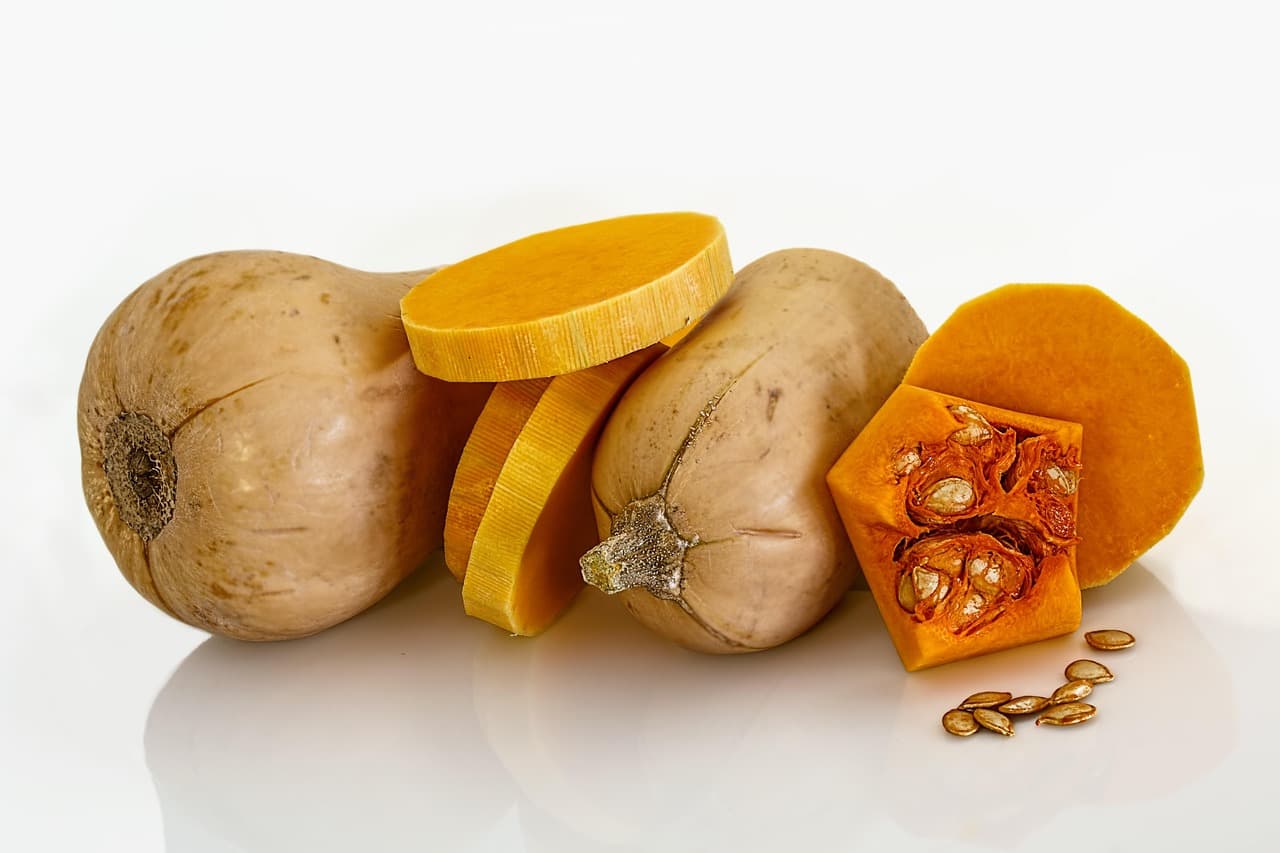
Ingredient hub
Butternut Squash cooking times by method and weight
Butternut squash is dense enough that cube size and tray spacing make a big difference to the final timing.
Butternut squash handles roast, boil, and steam methods well, depending on whether you want caramelized edges or softer spoonable texture.
Featured guideHow to roast butternut squash 500gAvailable methods
Best ways to cook butternut squash
Start with the methods that suit this ingredient best, then jump into a matching guide or the wider method hub.
Cooking method
Roast
Representative guide: How to roast butternut squash 500g.
Cooking method
Grill
Representative guide: How to grill butternut squash 500g.
Cooking method
Boil
Representative guide: How to boil butternut squash 500g.
Cooking method
Fry
Representative guide: How to fry butternut squash 500g.
Cooking method
Smoke
Representative guide: How to smoke butternut squash 500g.
Cooking method
Saute
Representative guide: How to saute butternut squash 500g.
Cooking method
Steam
Representative guide: How to steam butternut squash 500g.
Popular weights
Common weight bands for butternut squash
Preparation and seasoning
What helps this ingredient cook well
- Cut pieces to a similar size so they finish together.
- A light coating of oil and even seasoning usually improves color and surface texture.
- Check tenderness early because softer vegetables can pass their best point quickly.
- Flavor ideas: olive oil, salt, black pepper, garlic, fresh herbs.
Texture and doneness
Finish cues for butternut squash
- Vegetables are ready based on texture first, whether that means fork tenderness, soft centers, or browned edges with some bite left.
- Decide whether you want tender, softly steamed texture or more browning and caramelized edges before the cook starts.
- Best use cases: roasted cubes, soups and mash bases, steamed vegetable sides.
Best guides
Guides worth opening first
FAQ
Common questions about butternut squash
How do I judge when vegetables are done?
Use the texture you want: fork-tender for softer finishes or browned edges with some bite for drier methods.
Does weight matter as much for vegetables?
It helps with planning batches, but cut size and tray crowding often change the timing just as much.
Which cooking methods suit butternut squash best?
Butternut Squash is strongest with Roast, Boil, Steam guides, with secondary options for Saute.