Cooking guide
Return to Start a guideHow to steam mackerel 750g
Mackerel at 750 g cooks best when you treat the time range as a guide to tenderness rather than a target to push past. For steam, start checking early and think of 20 to 33 minutes as the window where texture matters most.
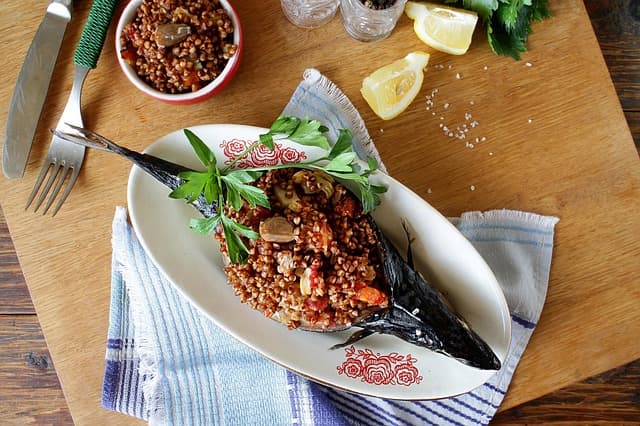
Mackerel Steam
About 27 minutes
Timing, doneness guidance, and smarter related links for this ingredient and method.
Estimated cook time
How long to steam mackerel at 750 g?
20 to 33 minutes is a practical starting range for mackerel at 750 g when you steam.
Typical range
20 to 33 min
Calculator
Cooking Time Calculator
Quick estimate for Mackerel using steam. Adjust weight for a time range.
Times are general estimates. Use a thermometer and follow food safety guidance for your cut and method.
Intro summary
What this guide is built to answer
Mackerel at 750 g cooks best when you treat the time range as a guide to tenderness rather than a target to push past. For steam, start checking early and think of 20 to 33 minutes as the window where texture matters most.
Mackerel takes well to grill, roast, fry, and smoke methods where its natural fat helps protect the flesh. Steaming cooks with moist circulating heat, which helps ingredients stay tender without direct browning. The goal is a moist finish with opacity, flaking, or spring depending on the ingredient rather than a dry center.
Weight guide
Weight-based cooking time guide
Use this as a planning reference. Adjust for your specific cut, thickness, and equipment.
| Weight | Estimated time | Method |
|---|---|---|
| 350 g | 12 to 22 minutes | Steam |
| 500 g | 15 to 26 minutes | Steam |
| 750 g | 20 to 33 minutes | Steam |
| 1000 g | 24 to 40 minutes | Steam |
| 1200 g | 28 to 46 minutes | Steam |
| 1500 g | 33 to 54 minutes | Steam |
| 1800 g | 38 to 62 minutes | Steam |
| 2000 g | 42 to 68 minutes | Steam |
| 2200 g | 46 to 74 minutes | Steam |
| 2500 g | 51 to 82 minutes | Steam |
| 2800 g | 56 to 90 minutes | Steam |
| 3000 g | 60 to 96 minutes | Steam |
Best heat approach
Best temperature and heat strategy
- Keep the water simmering under the basket and the lid closed so the steam stays even from start to finish.
- Steady steam matters more than aggressive heat. Once the water is simmering, consistency is the main goal.
- Steam reaches the surface evenly, but dense pieces still need extra time for the center to catch up.
How weight changes timing
How this weight band behaves
- Weight is most useful as a planning shortcut. A 750 g portion will usually finish faster than a heavier batch, but thickness still decides how quickly the heat reaches the center.
- 350 g versions of mackerel normally need less total time, while 1.3 kg portions need a longer window and earlier midpoint checks.
- Use the table and calculator together: the table gives you a quick band, and the calculator helps you adjust when the weight sits between the standard steps.
Ingredient-specific tips
What matters for mackerel
- Dry the surface gently before cooking so it colors without sticking as much.
- Use even fillets or center portions when you want more predictable timing.
- Start checking earlier than you would for dense meats because fish overcooks quickly.
- Flavor direction: salt, black pepper, lemon, butter, fresh herbs.
Method-specific tips
How to make steam work better
- Start with simmering water before the basket goes on.
- Arrange pieces in a single layer where possible.
- Lift the lid only when you need to check progress.
- Start checking early for opacity, flaking, or spring because fish and seafood can move from tender to overcooked quickly.
Common mistakes
What throws the timing off
- Leaving fish on the heat while waiting for extra color.
- Using heavy seasoning that hides when the fish is actually done.
- Letting the pot boil dry or steam too weakly.
- Packing the basket too tightly.
Doneness / texture guidance
What to look for at the finish
- Fish is usually ready when it turns opaque and flakes with gentle pressure, not when it has cooked far past that point.
- Look for opaque flesh and gentle flaking instead of waiting for a dry, fully tightened finish.
- Aim for moist flakes and a tender center rather than a dry, chalky finish.
Best use cases
Where this guide is most useful
- grilled oily fish
- quick roasts
- smoked fish cooks
Quick planning notes
At-a-glance reminders
- Weight label: 750 g
- Method focus: Keep the water simmering under the basket and the lid closed so the steam stays even from start to finish.
- Final cue: Aim for moist flakes and a tender center rather than a dry, chalky finish.
Method guide
Basic steam method
- 1Bring the water to a simmer before the steamer basket goes on.
- 2Arrange the mackerel in a loose layer so steam can reach it evenly.
- 3Keep the lid on for most of the cook and check only when the estimate window begins.
- 4Check the mackerel early for opacity, flaking, or a springy finish so it does not overcook near the end.
Background guides
Get the bigger picture behind this timing page
These long-form guides explain the method, planning, storage, or equipment choices that often sit behind the quick timing question on the page you are using now.
Related guides
Nearby guides worth opening next
These links prioritize the same ingredient at nearby weights first, then expand to similar methods and more useful lateral pages.
FAQ
Common questions
How long should mackerel take to steam at 750 g?
A useful working range is 20 to 33 minutes, but thickness, cut size, and equipment can move the real finish forward or back.
What changes the timing most for mackerel?
Thickness is usually the first thing to watch, followed by starting temperature, pan or tray crowding, and how intense the heat stays during the cook.
Is weight or texture more important for mackerel?
Weight is the planning tool; texture or doneness is the finishing tool. Use the weight to estimate the window, then stop the cook based on the texture you want.
How do I know when fish is done?
Look for opaque flesh that flakes with light pressure and pull it before it turns dry or chalky.
Why does fish timing vary so much?
Thickness matters more than total weight once you start comparing different cuts or fillet shapes.