Cooking guide
Return to Start a guideHow to roast rabbit 750g
Rabbit at 750 g needs a timing plan, but the real finish still depends on thickness, starting temperature, and how your heat behaves. For roast, 41 to 59 minutes is the useful planning window rather than a guarantee.
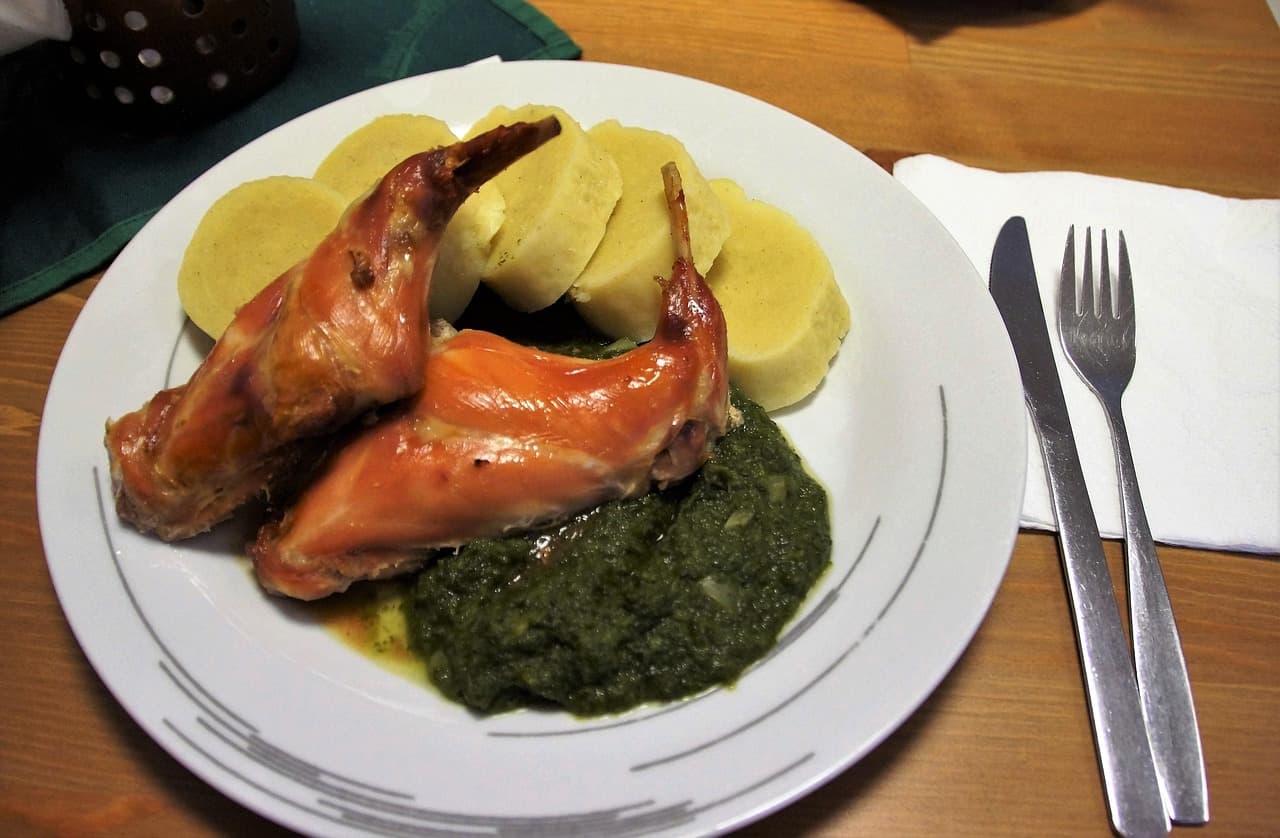
Rabbit Roast
About 50 minutes
Timing, doneness guidance, and smarter related links for this ingredient and method.
Estimated cook time
How long to roast rabbit at 750 g?
41 to 59 minutes is a practical starting range for rabbit at 750 g when you roast.
Typical range
41 to 59 min
Calculator
Cooking Time Calculator
Quick estimate for Rabbit using roast. Adjust weight for a time range.
Times are general estimates. Use a thermometer and follow food safety guidance for your cut and method.
Intro summary
What this guide is built to answer
Rabbit at 750 g needs a timing plan, but the real finish still depends on thickness, starting temperature, and how your heat behaves. For roast, 41 to 59 minutes is the useful planning window rather than a guarantee.
Rabbit suits roast and slow-roast planning best when the cook stays measured and the finish is checked early. Roasting uses dry oven heat to build color on the outside while cooking steadily through the center. Use the guide to plan ahead, then confirm the center with the right doneness cues before resting and serving.
Weight guide
Weight-based cooking time guide
Use this as a planning reference. Adjust for your specific cut, thickness, and equipment.
| Weight | Estimated time | Method |
|---|---|---|
| 350 g | 27 to 41 minutes | Roast |
| 500 g | 33 to 48 minutes | Roast |
| 750 g | 41 to 59 minutes | Roast |
| 1000 g | 50 to 70 minutes | Roast |
| 1200 g | 57 to 79 minutes | Roast |
| 1500 g | 68 to 93 minutes | Roast |
| 1800 g | 78 to 106 minutes | Roast |
| 2000 g | 85 to 115 minutes | Roast |
| 2200 g | 92 to 124 minutes | Roast |
| 2500 g | 103 to 138 minutes | Roast |
| 2800 g | 113 to 151 minutes | Roast |
| 3000 g | 120 to 160 minutes | Roast |
Best heat approach
Best temperature and heat strategy
- Start with a fully preheated oven and enough space around the food for hot air to circulate cleanly.
- A moderate-to-hot oven gives the best balance of browning outside and a controlled finish in the middle.
- Weight helps you plan, but thickness and starting temperature usually change the real finish time more.
How weight changes timing
How this weight band behaves
- Weight is most useful as a planning shortcut. A 750 g portion will usually finish faster than a heavier batch, but thickness still decides how quickly the heat reaches the center.
- 350 g versions of rabbit normally need less total time, while 1.3 kg portions need a longer window and earlier midpoint checks.
- Use the table and calculator together: the table gives you a quick band, and the calculator helps you adjust when the weight sits between the standard steps.
Ingredient-specific tips
What matters for rabbit
- Pat the surface dry before cooking so browning starts more cleanly.
- Choose pieces of similar thickness whenever possible.
- Season evenly and give larger cuts a little time out of the fridge before cooking if food safety allows.
- Flavor direction: salt, black pepper, garlic, fresh herbs.
Method-specific tips
How to make roast work better
- Preheat the oven before the food goes in so the timing starts from a stable heat level.
- Use a tray or roasting dish that leaves enough room for air to move around the food.
- Turn or baste only if the ingredient needs it; opening the oven too often slows the cook.
- A thermometer is the most reliable finishing check for meat and poultry pages where the ingredient allows it.
Common mistakes
What throws the timing off
- Relying on weight alone when the cut is unusually thick or thin.
- Skipping the rest after cooking larger cuts.
- Putting food into a cold oven and then trusting the timing guide anyway.
- Crowding the tray so the food steams instead of browns.
Doneness / texture guidance
What to look for at the finish
- Use the timing range to plan ahead, then confirm the center with a thermometer before resting and slicing.
- Once the center is where you want it, rest the food briefly so the heat evens out and slicing stays cleaner.
- Look for a cooked center that still feels juicy after resting rather than pushing only for a darker exterior.
Best use cases
Where this guide is most useful
- lean roasts
- slow gentle cooks
Quick planning notes
At-a-glance reminders
- Weight label: 750 g
- Method focus: Start with a fully preheated oven and enough space around the food for hot air to circulate cleanly.
- Final cue: Look for a cooked center that still feels juicy after resting rather than pushing only for a darker exterior.
Method guide
Basic roast method
- 1Preheat the oven and set up a tray or roasting dish that leaves enough space for heat to circulate.
- 2Prepare the rabbit so the pieces are even in size or thickness before seasoning.
- 3Start checking during the estimate window instead of waiting until the end of the full range.
- 4Check the thickest part of the rabbit before the end of the timing range, then rest it briefly before slicing or serving.
Background guides
Get the bigger picture behind this timing page
These long-form guides explain the method, planning, storage, or equipment choices that often sit behind the quick timing question on the page you are using now.
Cooking guide
Beginner Roasting Guide
A no-drama introduction to roasting meat well, from choosing a cut and checking doneness to resting it properly and avoiding dry results.
Cooking guide
How Cooking Time Works
A clear explanation of why cook times shift with thickness, heat accuracy, rest time, and food temperature instead of following one exact chart.
Related guides
Nearby guides worth opening next
These links prioritize the same ingredient at nearby weights first, then expand to similar methods and more useful lateral pages.
FAQ
Common questions
How long should rabbit take to roast at 750 g?
A useful working range is 41 to 59 minutes, but thickness, cut size, and equipment can move the real finish forward or back.
What changes the timing most for rabbit?
Thickness is usually the first thing to watch, followed by starting temperature, pan or tray crowding, and how intense the heat stays during the cook.
Is weight or texture more important for rabbit?
Weight is the planning tool; texture or doneness is the finishing tool. Use the weight to estimate the window, then stop the cook based on the texture you want.
Does resting really matter?
Yes. Resting helps larger cuts hold onto more moisture and makes slicing easier and cleaner.
Is weight enough to judge doneness?
No. Weight helps with planning, but thickness and starting temperature still change the finish time.