Cooking guide
Return to Start a guideHow to boil butternut squash 2.2kg
Butternut Squash at 2.2 kg is easier to plan when you match the timing to the texture you want. For boil, use 76 to 108 minutes as the working window and then decide whether you want crisp-tender pieces or a softer finish.
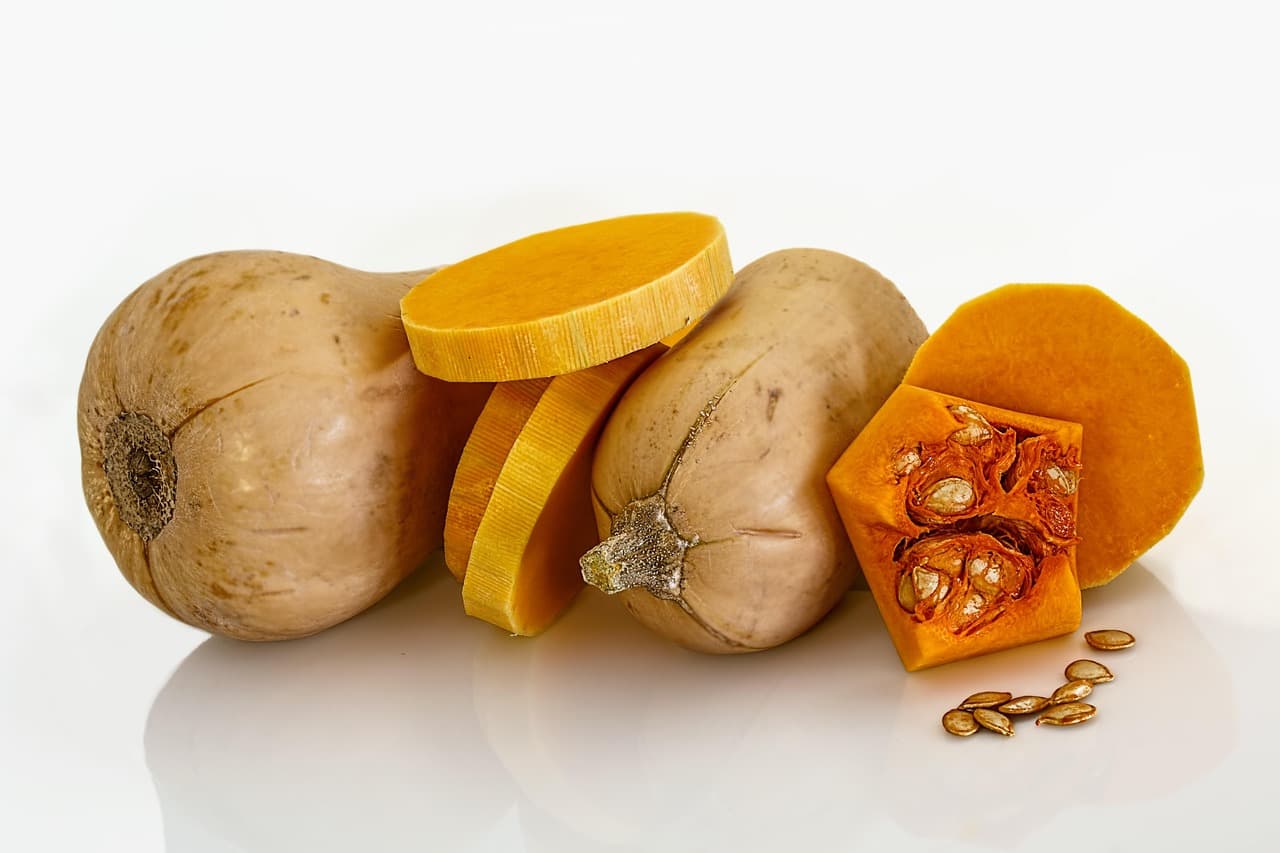
Butternut Squash Boil
About 92 minutes
Timing, doneness guidance, and smarter related links for this ingredient and method.
Estimated cook time
How long to boil butternut squash at 2.2 kg?
76 to 108 minutes is a practical starting range for butternut squash at 2.2 kg when you boil.
Typical range
76 to 108 min
Calculator
Cooking Time Calculator
Quick estimate for Butternut Squash using boil. Adjust weight for a time range.
Times are general estimates. Use a thermometer and follow food safety guidance for your cut and method.
Intro summary
What this guide is built to answer
Butternut Squash at 2.2 kg is easier to plan when you match the timing to the texture you want. For boil, use 76 to 108 minutes as the working window and then decide whether you want crisp-tender pieces or a softer finish.
Butternut squash handles roast, boil, and steam methods well, depending on whether you want caramelized edges or softer spoonable texture. Boiling and simmering use moist heat, which is gentler than roasting and useful when you want even cooking without browning. Piece size, surface moisture, and tray or pan spacing often change the result as much as total weight.
Weight guide
Weight-based cooking time guide
Use this as a planning reference. Adjust for your specific cut, thickness, and equipment.
| Weight | Estimated time | Method |
|---|---|---|
| 350 g | 21 to 34 minutes | Boil |
| 500 g | 25 to 40 minutes | Boil |
| 750 g | 33 to 50 minutes | Boil |
| 1000 g | 40 to 60 minutes | Boil |
| 1200 g | 46 to 68 minutes | Boil |
| 1500 g | 55 to 80 minutes | Boil |
| 1800 g | 64 to 92 minutes | Boil |
| 2000 g | 70 to 100 minutes | Boil |
| 2200 g | 76 to 108 minutes | Boil |
| 2500 g | 85 to 120 minutes | Boil |
| 2800 g | 94 to 132 minutes | Boil |
| 3000 g | 100 to 140 minutes | Boil |
Best heat approach
Best temperature and heat strategy
- A steady simmer is usually better than a hard rolling boil, especially for delicate seafood or tender vegetables.
- Keep the liquid active but controlled so the center cooks evenly without rough agitation.
- Liquid temperature stays more stable than dry heat, so the size of the pot and crowding matter a lot.
How weight changes timing
How this weight band behaves
- Weight is most useful as a planning shortcut. A 2.2 kg portion will usually finish faster than a heavier batch, but thickness still decides how quickly the heat reaches the center.
- 1.7 kg versions of butternut squash normally need less total time, while 2.7 kg portions need a longer window and earlier midpoint checks.
- Use the table and calculator together: the table gives you a quick band, and the calculator helps you adjust when the weight sits between the standard steps.
Ingredient-specific tips
What matters for butternut squash
- Cut pieces to a similar size so they finish together.
- A light coating of oil and even seasoning usually improves color and surface texture.
- Check tenderness early because softer vegetables can pass their best point quickly.
- Flavor direction: olive oil, salt, black pepper, garlic, fresh herbs.
Method-specific tips
How to make boil work better
- Use enough liquid for the ingredient to stay evenly submerged or surrounded.
- Bring the water up to a simmer before timing delicate items.
- Lower the heat after the boil starts so the cook stays controlled.
- Judge the finish with tenderness, browning, and moisture instead of looking for a fixed center cue.
Common mistakes
What throws the timing off
- Cutting pieces to very different sizes and expecting even timing.
- Using too much oil or liquid for methods that need dry heat.
- Boiling aggressively when a gentle simmer would cook more evenly.
- Using too little liquid and exposing the top of the ingredient.
Doneness / texture guidance
What to look for at the finish
- Vegetables are ready based on texture first, whether that means fork tenderness, soft centers, or browned edges with some bite left.
- Use a fork, knife tip, or bite test depending on the ingredient and whether you want firmness or full tenderness.
- Decide whether you want tender, softly steamed texture or more browning and caramelized edges before the cook starts.
Best use cases
Where this guide is most useful
- roasted cubes
- soups and mash bases
- steamed vegetable sides
Quick planning notes
At-a-glance reminders
- Weight label: 2.2 kg
- Method focus: A steady simmer is usually better than a hard rolling boil, especially for delicate seafood or tender vegetables.
- Final cue: Decide whether you want tender, softly steamed texture or more browning and caramelized edges before the cook starts.
Method guide
Basic boil method
- 1Bring the cooking liquid to a steady simmer rather than a hard, rolling boil.
- 2Lower the butternut squash into the pot with enough room for the liquid to move around it.
- 3Keep the heat stable and start checking during the timing window instead of leaving it unattended to boil hard.
- 4Test the butternut squash for tenderness and color, then stop when the texture matches the finish you want.
Boiled eggs special case
Egg timing works differently from the weight-based boil pages
If the real boil question is about eggs, the stronger answer is usually yolk texture, egg size, and starting temperature rather than total weight. These pages cover that special case directly.
Reheating follow-ups
Related reheating guides for leftovers and next-day meals
These links help the page move into the next kitchen question after cooking: how to warm the same food back up well without drying it out, softening the texture, or choosing the weakest method by habit.
Background guides
Get the bigger picture behind this timing page
These long-form guides explain the method, planning, storage, or equipment choices that often sit behind the quick timing question on the page you are using now.
Related guides
Nearby guides worth opening next
These links prioritize the same ingredient at nearby weights first, then expand to similar methods and more useful lateral pages.
FAQ
Common questions
How long should butternut squash take to boil at 2.2 kg?
A useful working range is 76 to 108 minutes, but thickness, cut size, and equipment can move the real finish forward or back.
What changes the timing most for butternut squash?
Thickness is usually the first thing to watch, followed by starting temperature, pan or tray crowding, and how intense the heat stays during the cook.
Is weight or texture more important for butternut squash?
Weight is the planning tool; texture or doneness is the finishing tool. Use the weight to estimate the window, then stop the cook based on the texture you want.
How do I judge when vegetables are done?
Use the texture you want: fork-tender for softer finishes or browned edges with some bite for drier methods.
Does weight matter as much for vegetables?
It helps with planning batches, but cut size and tray crowding often change the timing just as much.